News Articles
_resized.jpg)
New LNG terminal expansion projects in Louisiana and Texas boosted by wars
Over the last 14 months, liquefied natural gas (LNG) companies have proposed new expansion projects at seven gas export terminals along the Gulf Coast, encouraged in part by wars in the Middle East and Ukraine that have boosted the market for U.S. LNG shipments. Four of the expanding terminals are located in Texas, with another three in Louisiana.
In Idaho, company makes first move in massive Pacific Northwest gas pipeline expansion
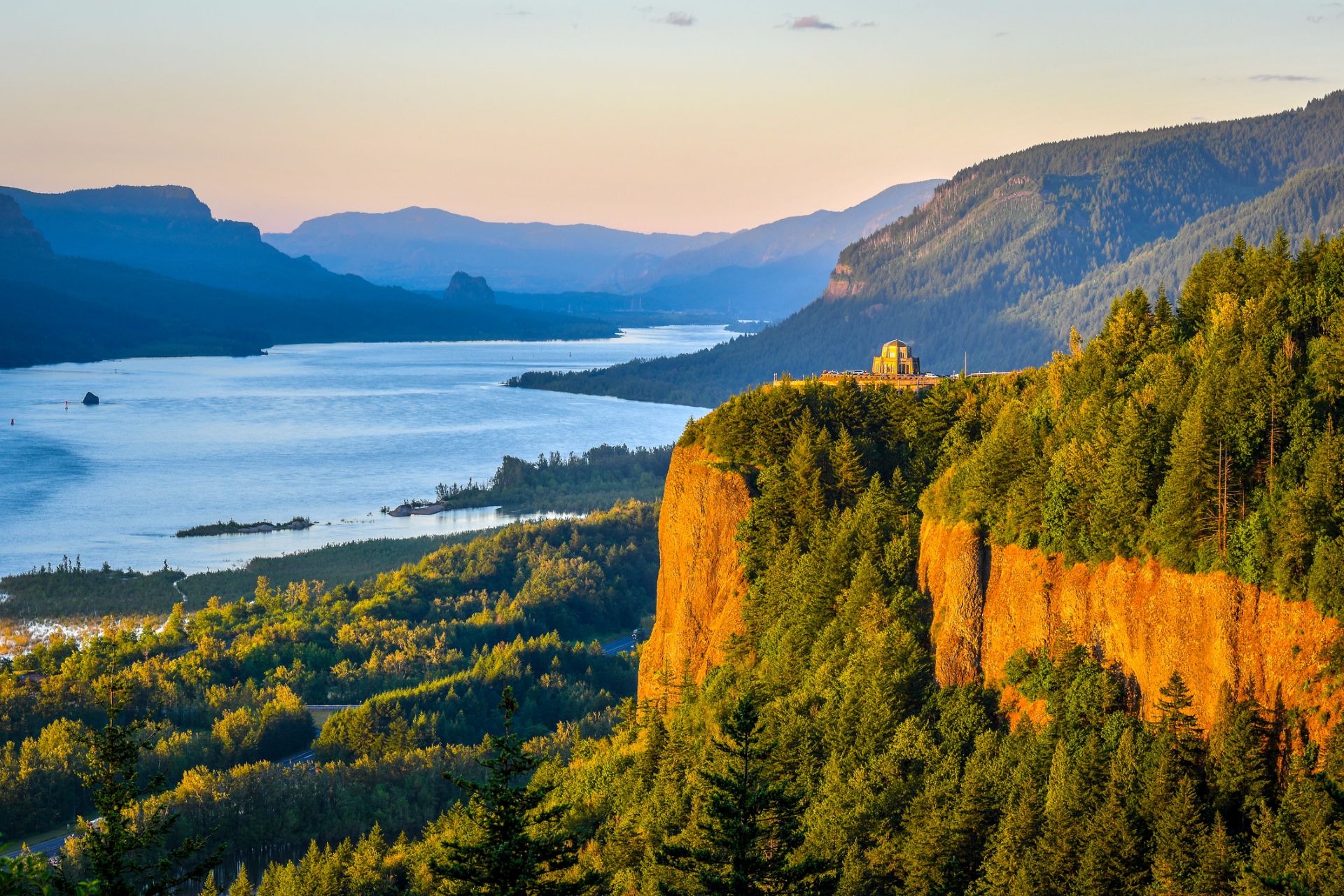
A subsidiary of U.S. pipeline giant Williams began early stages of seeking a permit to build the Silver Spur Pipeline, an 88-mile connection between two major gas transmission pipelines in Idaho and Nevada. The project could be an opening move in an effort to build the largest gas pipeline expansion in the Pacific Northwest in two decades.
Controversial West Virginia chemical plastics ‘recycling’ plant gets permit over local objections
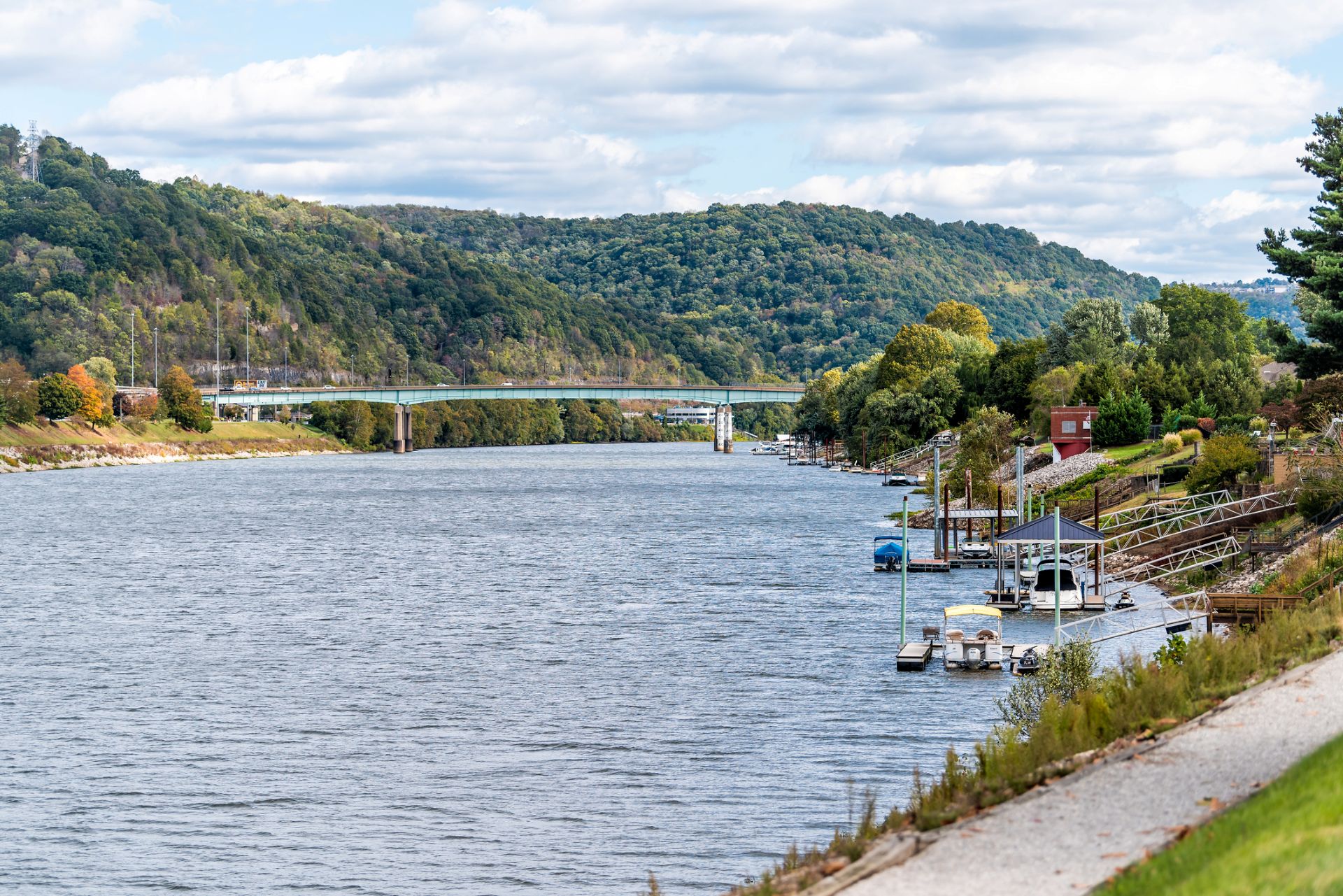
In response to lobbying by the industry, 24 states, including West Virginia, have passed legislation reclassifying chemical plastics "recycling" not as waste incineration but as a kind of manufacturing, which requires less strict environmental standards. The Trump Administration is working to exempt these plants from being subjected to Clean Air Act limits for cancer-causing air pollution.
In the wake of a petrochemical boom, companies now plan layoffs for thousands of workers
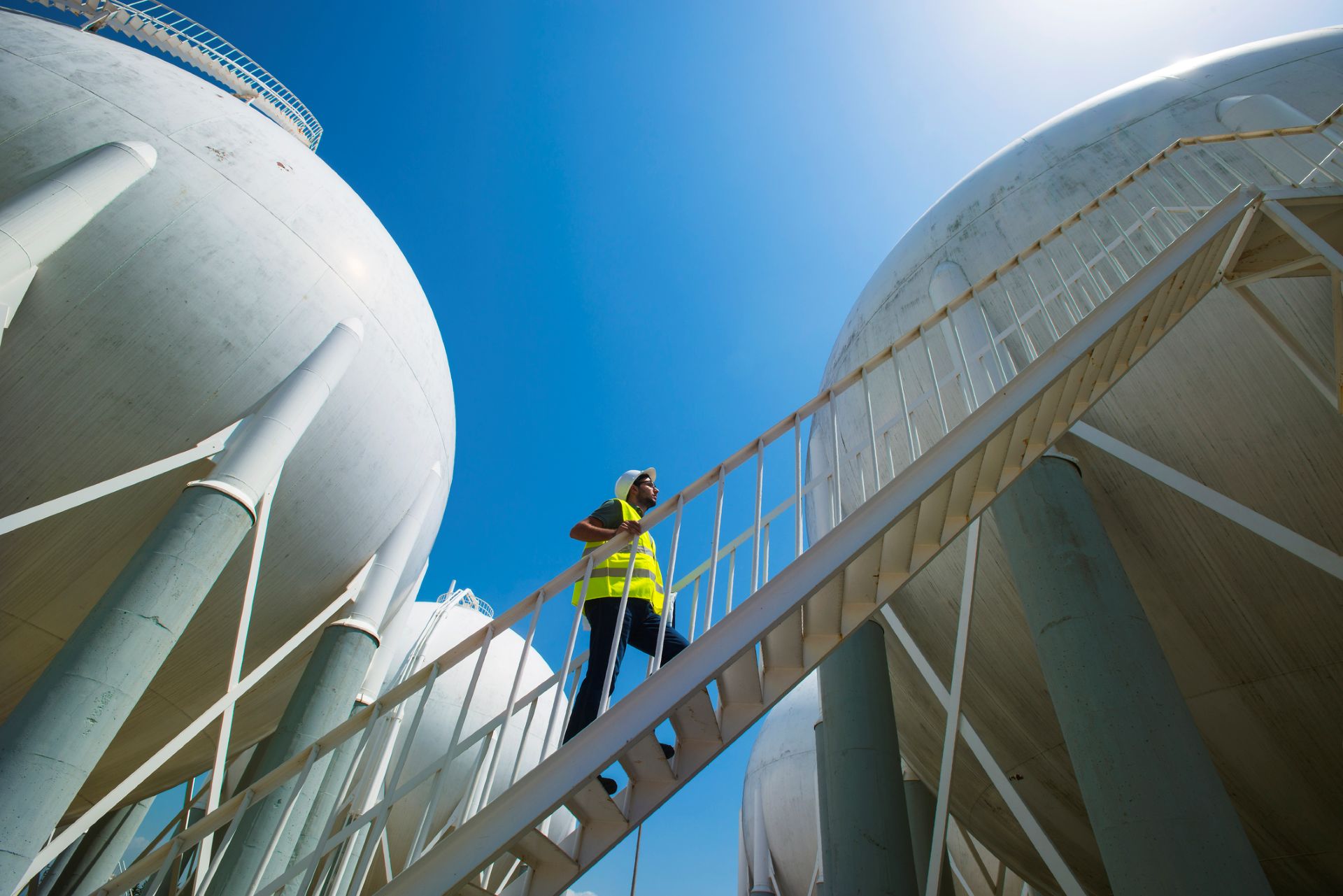
Chemical companies that are major U.S. plastics manufacturers – including Dow, Westlake, and Eastman – have said they are trimming their workforces by thousands of employees this year. All three of these petrochemical companies are laying off workers even as profits are up. Executies and stockholders are doing well while they terminate their workers, in part because technology allows companies to produce more chemicals with fewer employees.
U.S. quadruples production of natural gas liquids, the main ingredient in plastic
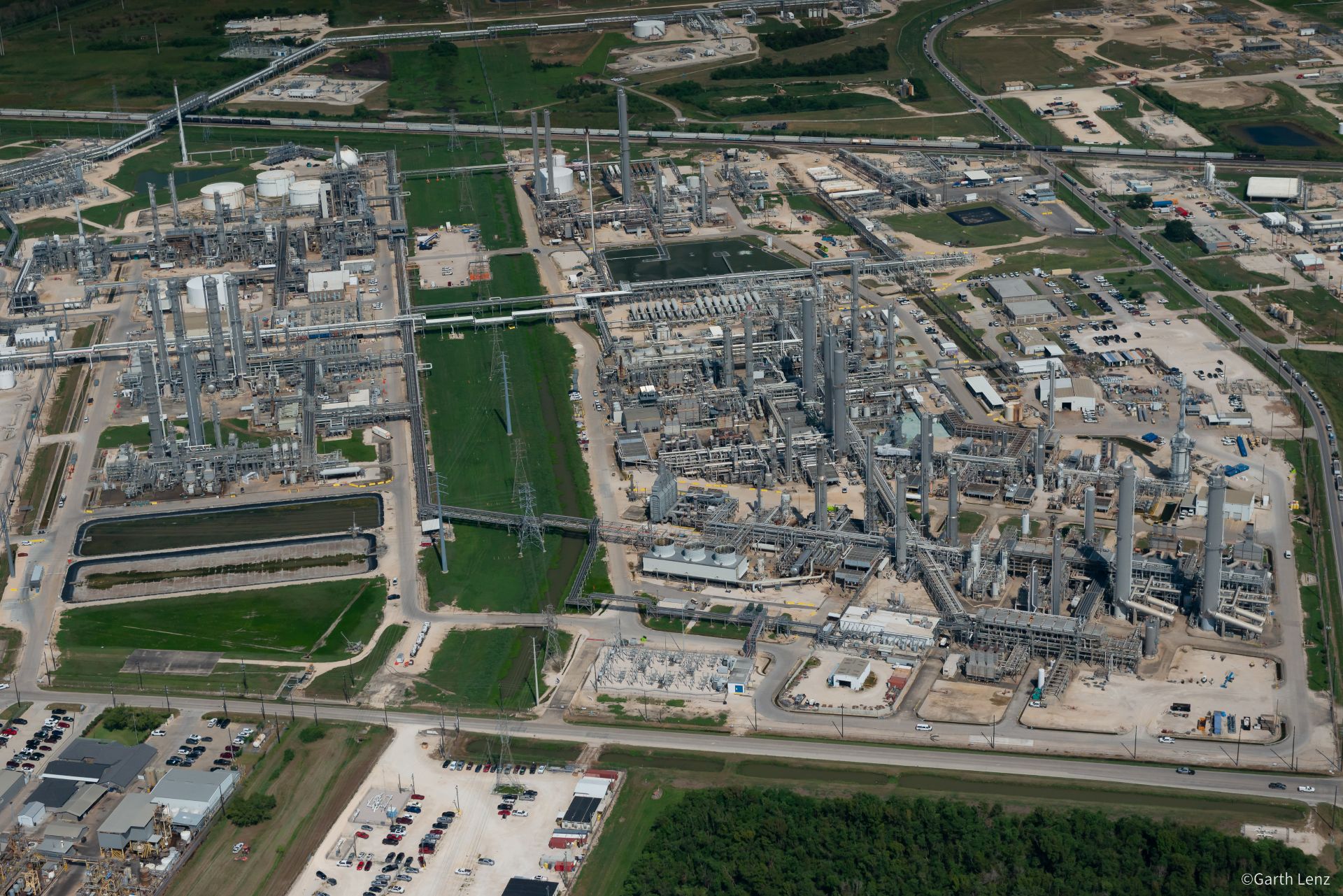
Over the past two decades, the U.S. has also seen a dramatic growth in production of lesser known “wet” varieties of natural gas. “Wet” gas is methane mixed with hydrocarbon liquids such as ethane and propane that are collectively known as natural gas liquids. Natural gas liquid production has more than quadrupled in the U.S. from 1.7 million barrels in 2005 to 7.5 million barrels per day in 2025, a 338 percent increase, according to a fact sheet on natural gas liquids compiled by the Environmental Integrity Project
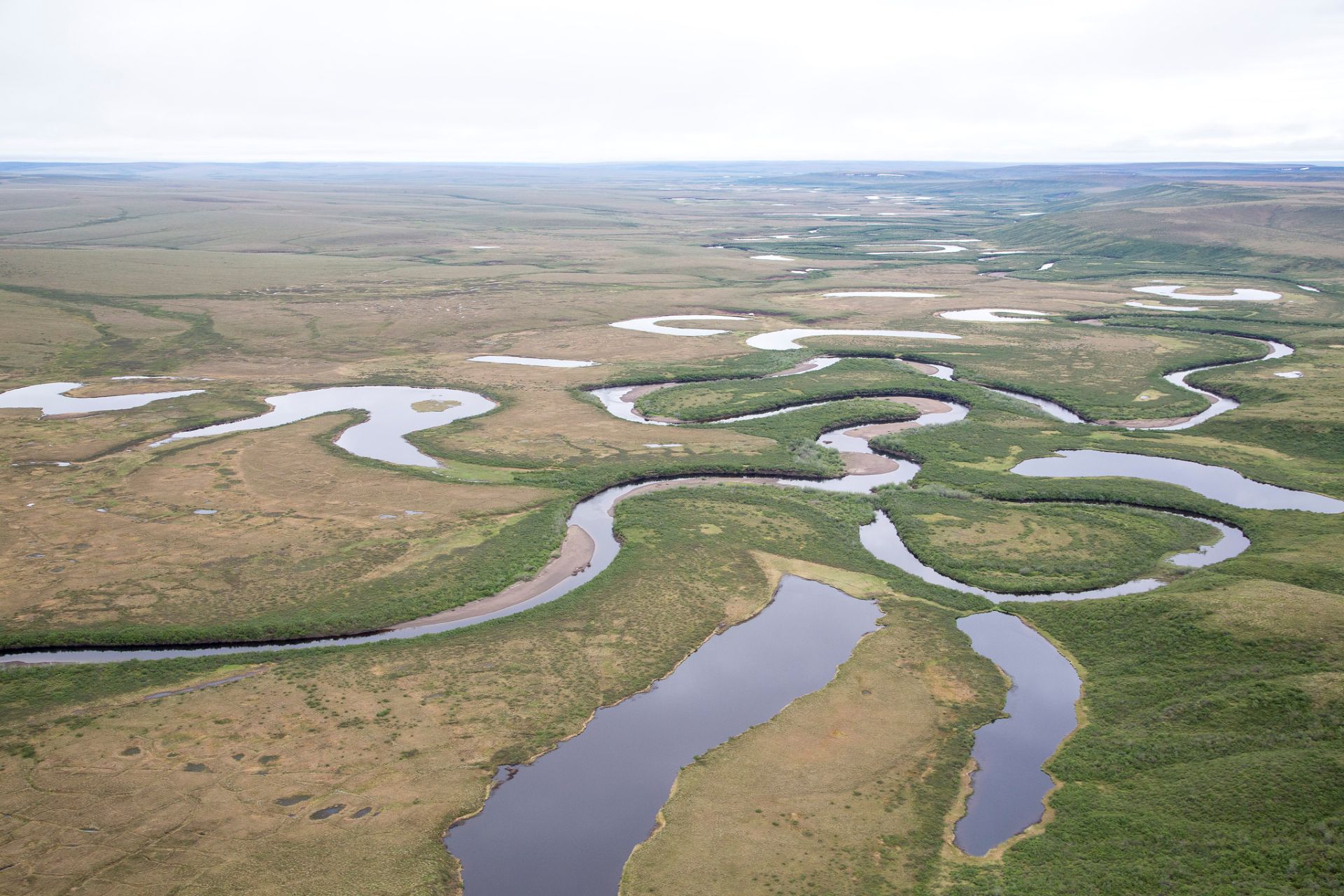
The Trump Administration wants to give Alaska oil and gas developers a free pass
The Interior Department is preparing a new categorical exclusion that would allow certain Arctic oil and gas development activities in Alaska to proceed without the usual project-specific environmental review. This is the latest effort by the Trump Administration to expand oil and gas development across Alaska’s North Slope.
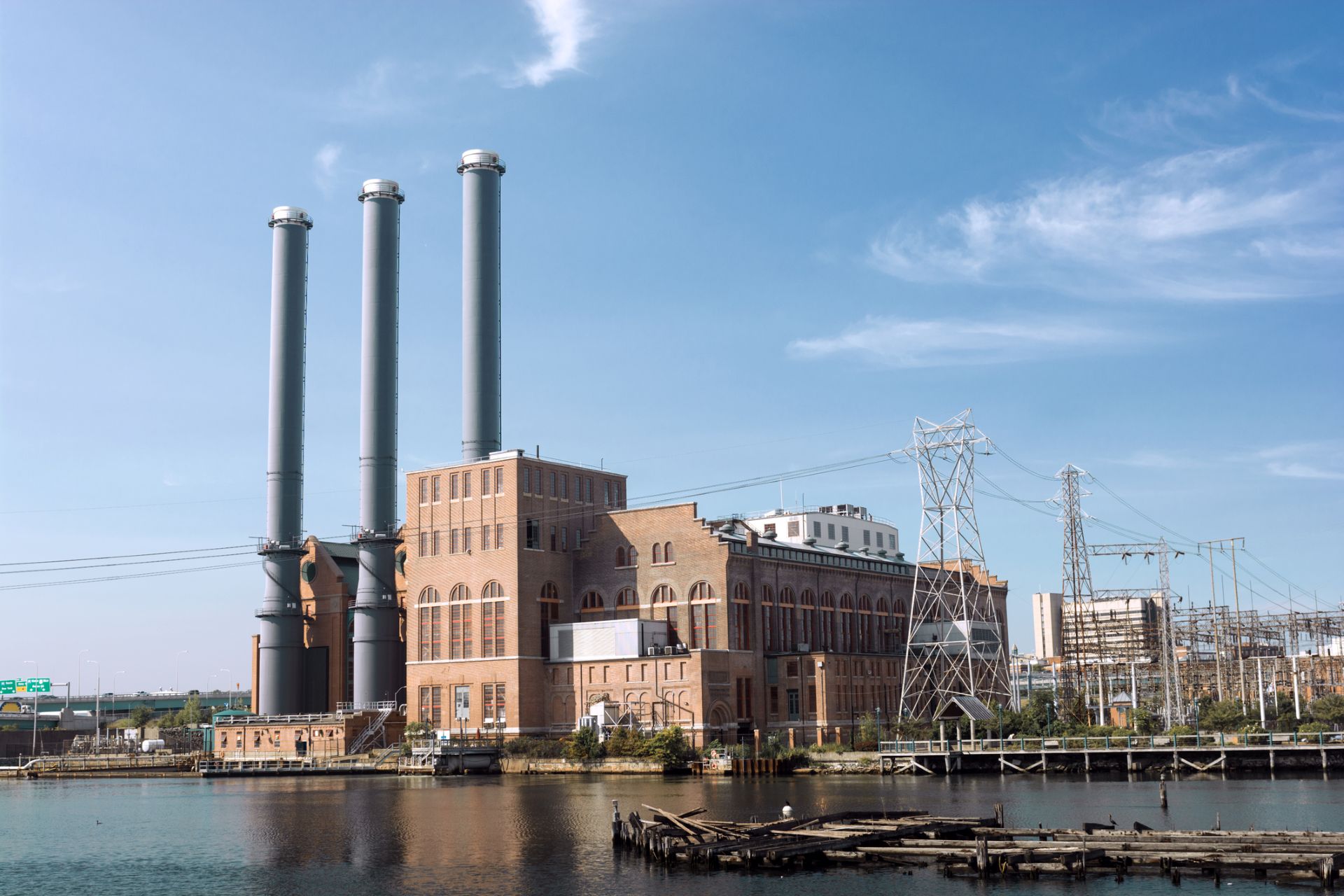
Ironically, New England gets a larger share of its power from natural gas than Texas, America’s gas production capital
Rhode Island, Delaware, and Massachusetts are the three most natural gas-dependent states in the U.S., where the fossil fuel – a potent source of climate-warming pollution – makes up the highest percentage of their electricity generation portfolios, according to data from the U.S. Energy Information Administration. The reason these states rank so high relates to the availability of cleaner solar and wind power in the Northeast, how states share electricity across state lines, and – more recently – opposition from the Trump Administration to offshore wind projects.
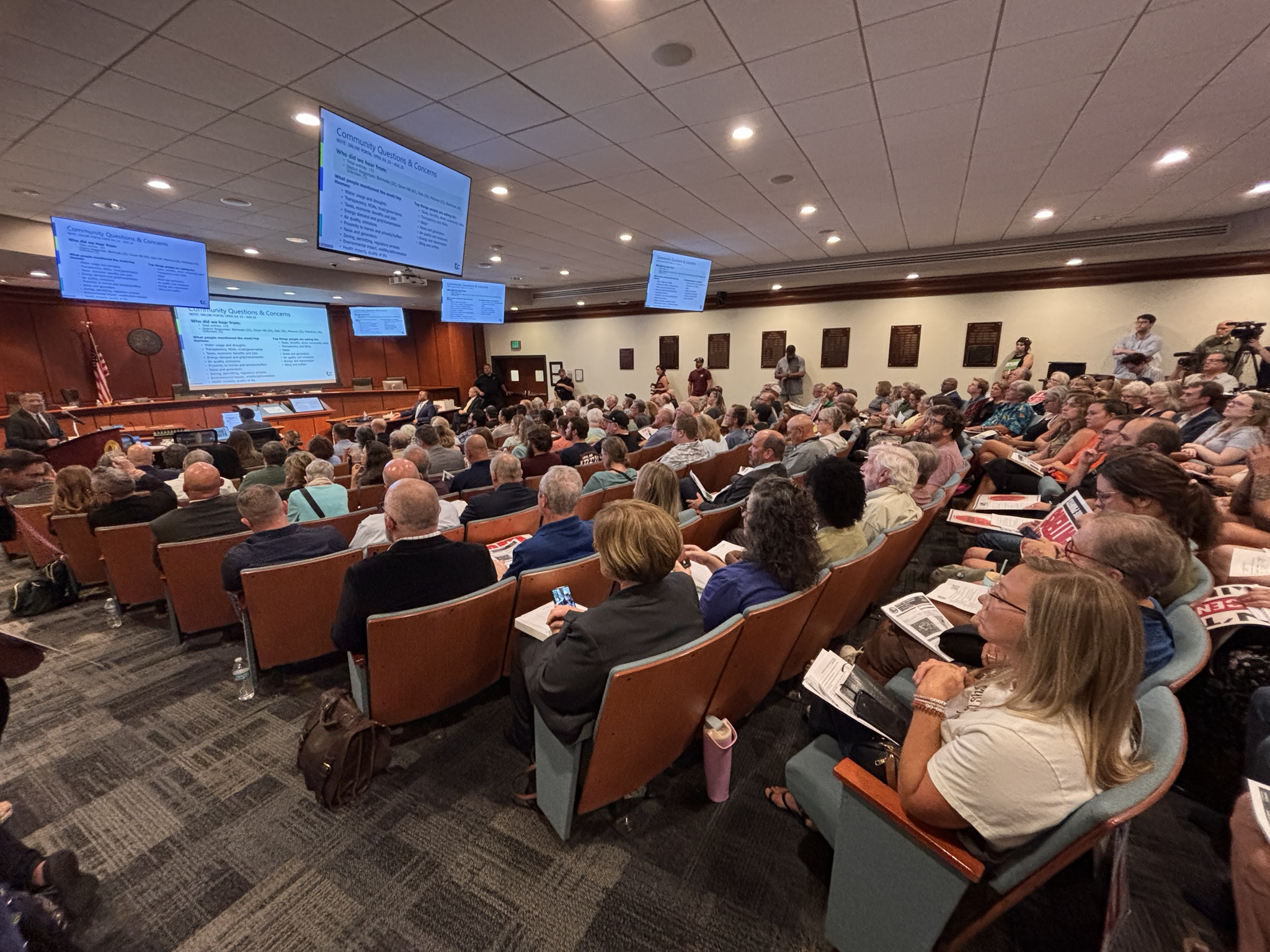
Data centers raced to beat Virginia’s new clean air law
Virginia lawmakers passed a new law in April to curb air pollution from new and expanding data centers with diesel generators, but data center developers raced to beat the deadline, with 19 applications submitted in time to take advantage of the older, dirtier, standards. “Filing an application right before a more health-protective standard takes effect shows that these data centers do not intend to be good neighbors,” said Dr. Mary Finley-Brook, a professor at the University of Richmond.
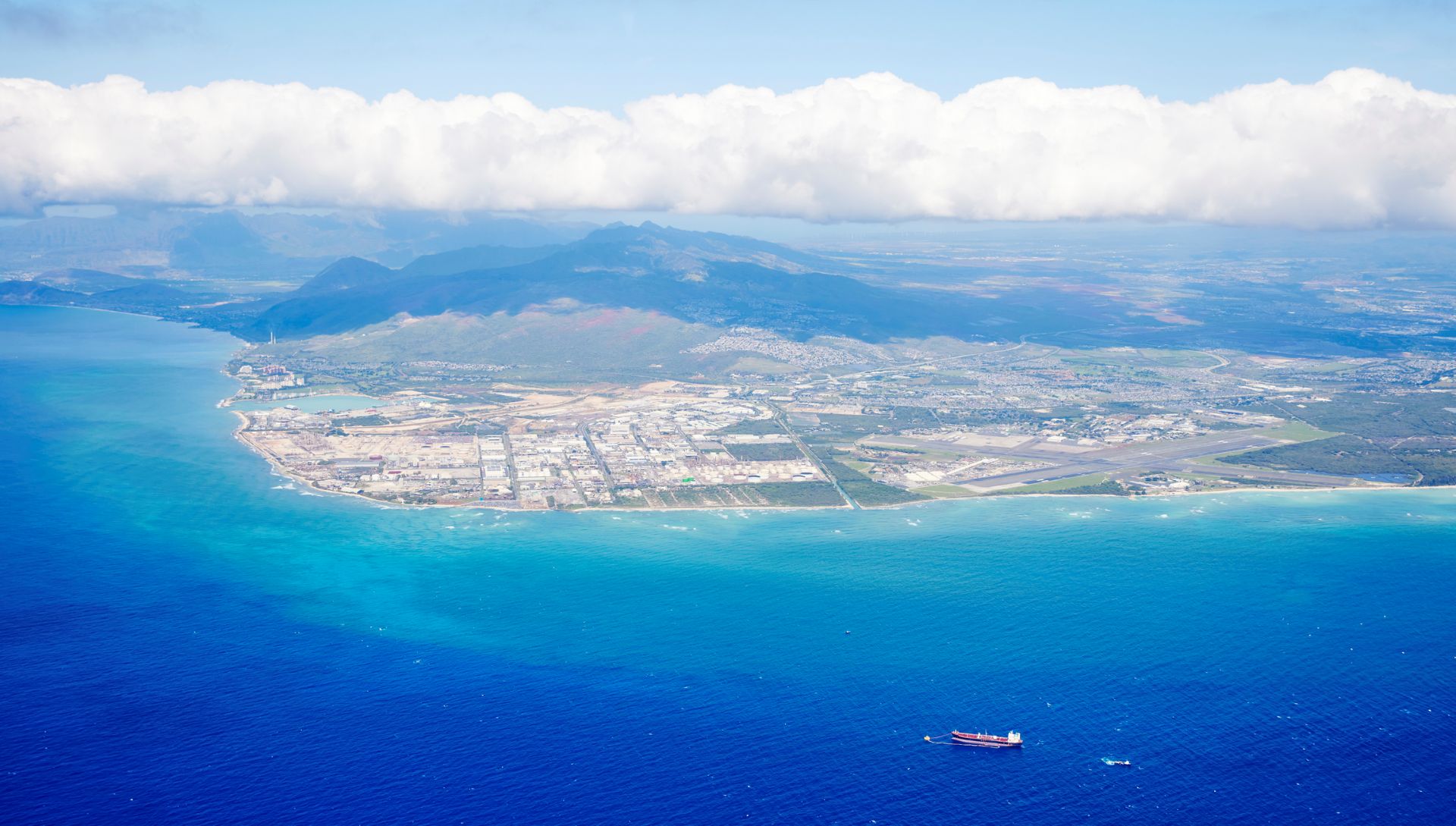
Hawai’i considers tsunami of natural gas with first LNG terminal
Clean energy advocates want the state to reduce its reliance on oil and are pushing for solar and wind. But a Japanese-based energy firm, JERA Americas, is proposing to move away from climate-friendly solutions with the proposed construction of Hawaii's first liquefied natural gas (LNG) import terminal to help meet rising power demand.
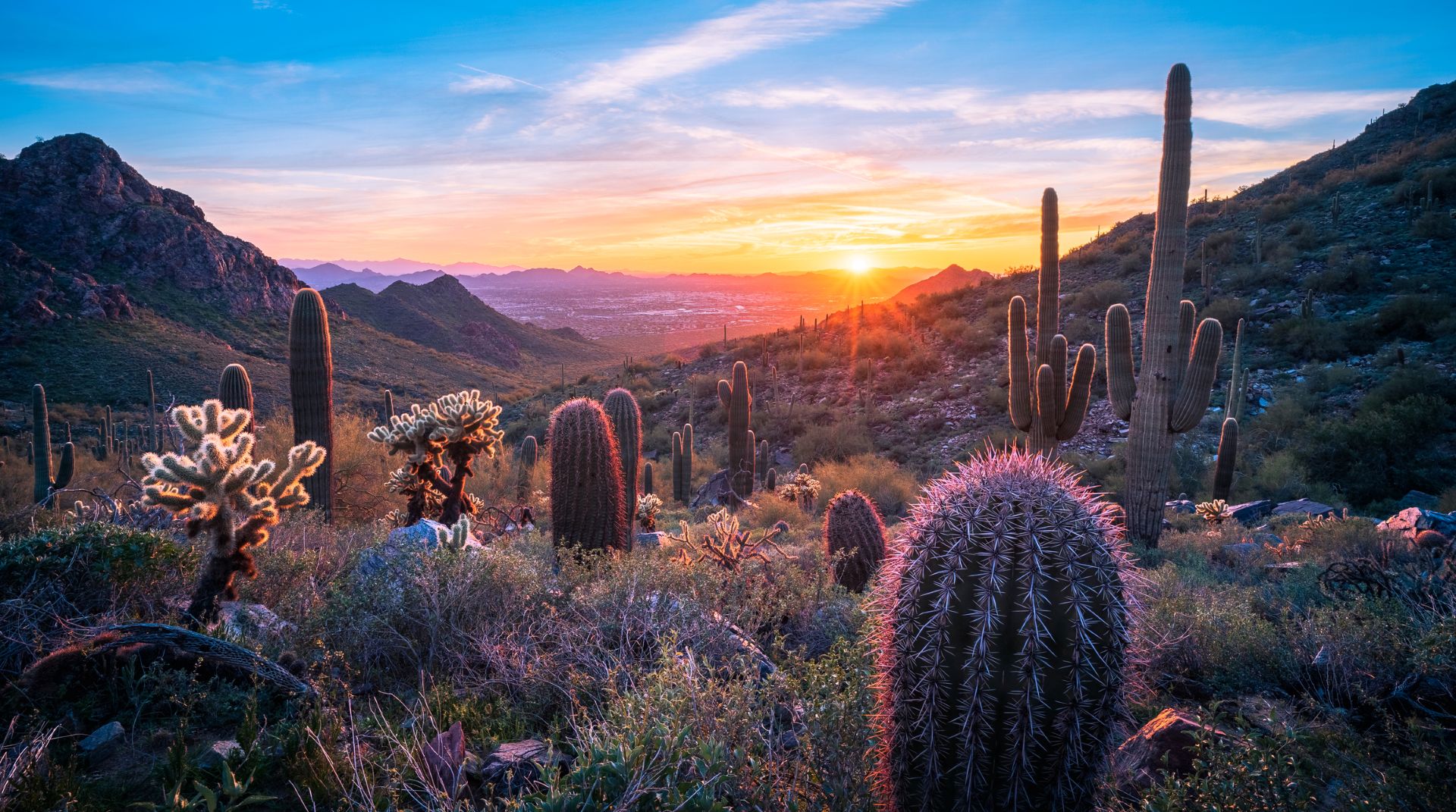
Conservation groups raise concerns about 520-mile gas pipeline from West Texas to Phoenix area
A natural gas pipeline planned from West Texas to the Phoenix area would cross sensitive conservation land in Texas, New Mexico, and Arizona on its way to provide power for data centers and other large users in central Arizona. The pipeline is one of more than a dozen planned to relieve the industry’s natural gas bottleneck in the Permian Basin of West Texas and New Mexico, where drilling for oil often also produces gas as a byproduct that must be burned or released.
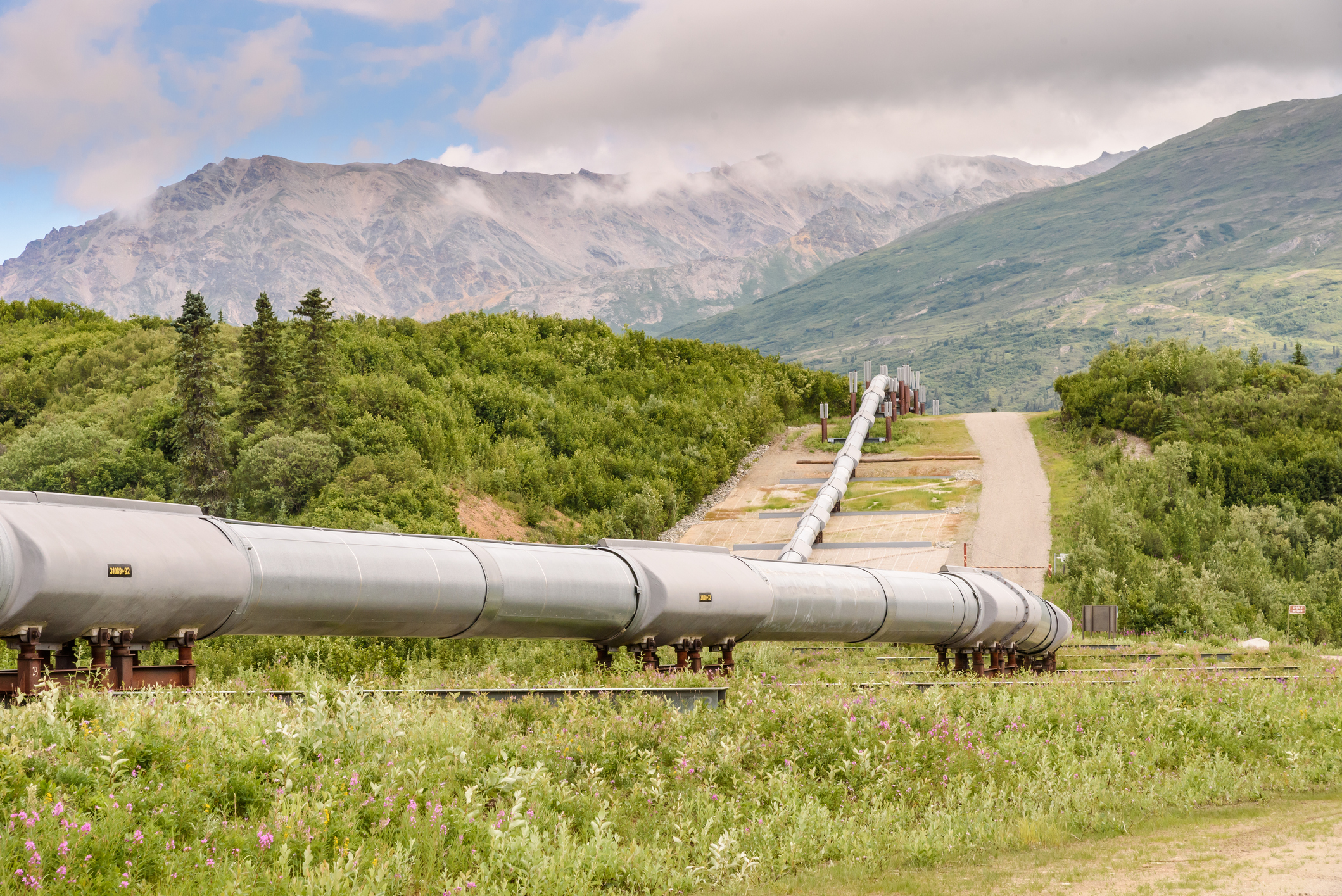
Canadian governments propose 2,000-mile oil pipeline from Alberta to eastern refineries
In early July, the premiers of the Canadian Provinces of Alberta and Ontario proposed a massive new West-East oil pipeline that would transport up to 500,000 barrels per day of oil across the country for refineries to process into gasoline and other fuels. The pipeline, known as the Northern Shield Energy Corridor, would end in Sarnio, Ontario, just across the border from Michigan, north of Detroit, and help reduce Canada’s reliance on foreign markets during a time of increased hostility from the Trump Administration.

16 gas storage projects planned in salt caverns along Gulf Coast for LNG industry and data centers
Companies are planning a wave of 16 projects along the Gulf Coast to store natural gas underground in salt caverns to supply the growing number of liquefied natural gas (LNG) export terminals and provide backup fuel for the booming data center industry. Building so many caves full of methane could lead to more leaks of a powerful greenhouse gas. Eight of the proposed storage caverns would be in Texas, five in Louisiana, and three in Mississippi.

Despite offshore risks, industry looks to Texas Gulf waters to dump carbon waste
With billions in taxpayer subsidies up for grabs, energy companies are looking to the bottom of the Gulf of Mexico as a dumping ground for carbon dioxide, despite facing more expenses and greater risks of leaks and blowouts than burying the pollutant onshore. Companies including ExxonMobil, Chevron, and Repsol have been scooping up hundreds of thousands of acres in the Gulf, including in state waters in Texas and Louisiana, for potential carbon waste injection sites. One recent study also contemplates burying pollution off the coasts of Delaware, Maryland, and New Jersey.
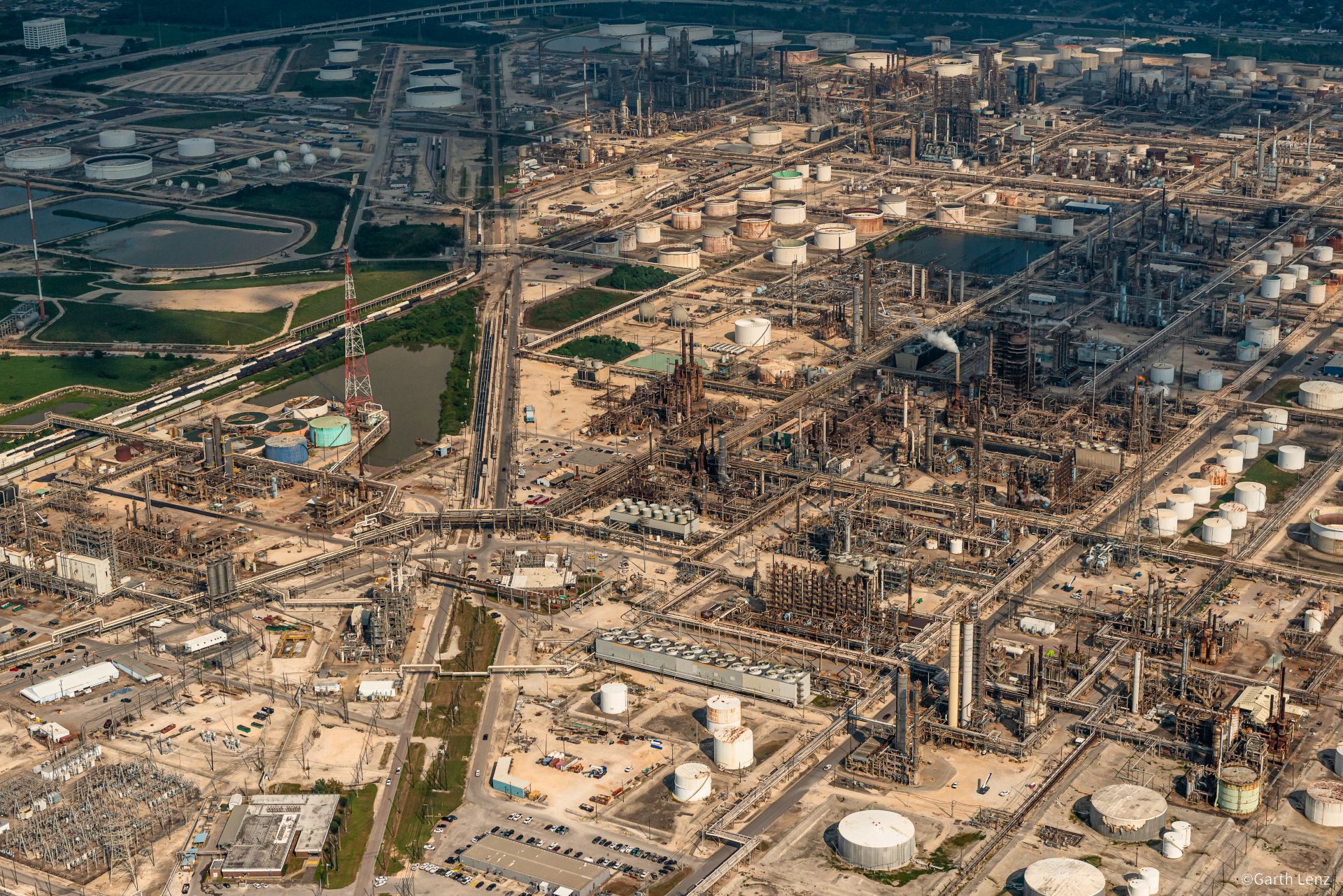
Trump Administration proposes weakening pollution rules for the chemical plastics ‘recycling’ industry
If the proposal were implemented, pyrolysis units – which heat plastics waste at up to 1,000 degrees Fahrenheit – would no longer be categorized as incinerators under the Clean Air Act and would therefore not be required to meet limits for cancer-causing air pollution
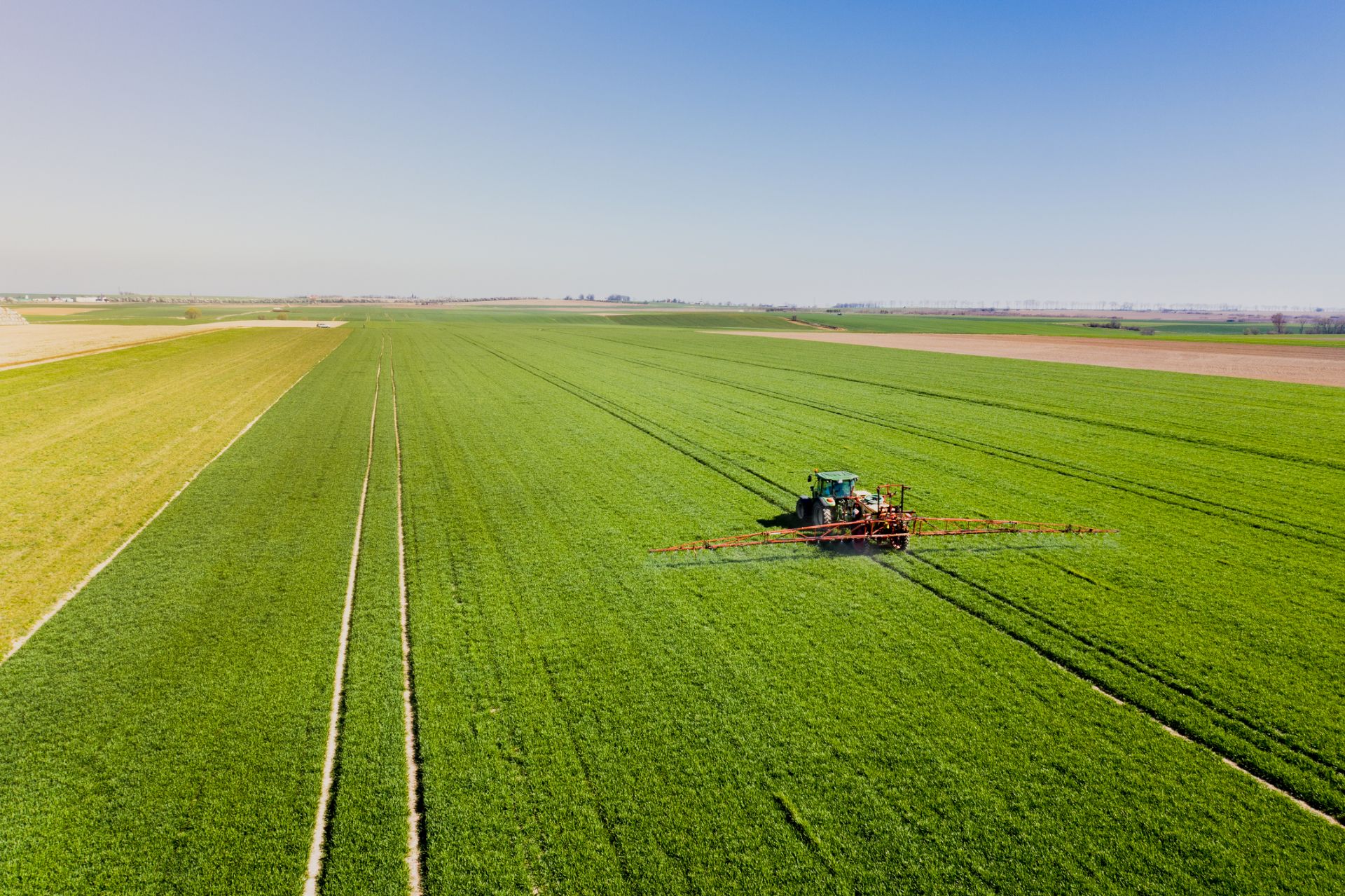
Trump Administration’s embrace of biofuels likely to drive up fuel costs and increase pollution
In March, the Trump Administration updated the U.S.’s Renewable Fuel Standard to require more plant-based fuel to be used in American cars and trucks than ever before, drawing praise from soybean farmers and agribusiness groups. The new standard requires refiners and fuel importers to blend in record-high amounts of plant-based diesel – 60 percent more than last year. The change is the largest annual increase in the program’s history, according to commodities analysis group Argus. The administration also maintained an existing mandate to blend 15 billion gallons per year of corn ethanol into motor gasoline.


