Trump Administration proposes gutting Endangered Species Act to boost energy industry

The Trump Administration recently announced its intention to revoke protections under the Endangered Species Act and allow federal agencies to greenlight destructive mining and drilling projects without studying their impact on the habitat of at-risk animals and plants.
According to a Department of Interior announcement, the rollback will help implement Trump’s Executive Order, “Unleashing American Energy,” which directs federal agencies to remove regulatory barriers hindering energy industry development.
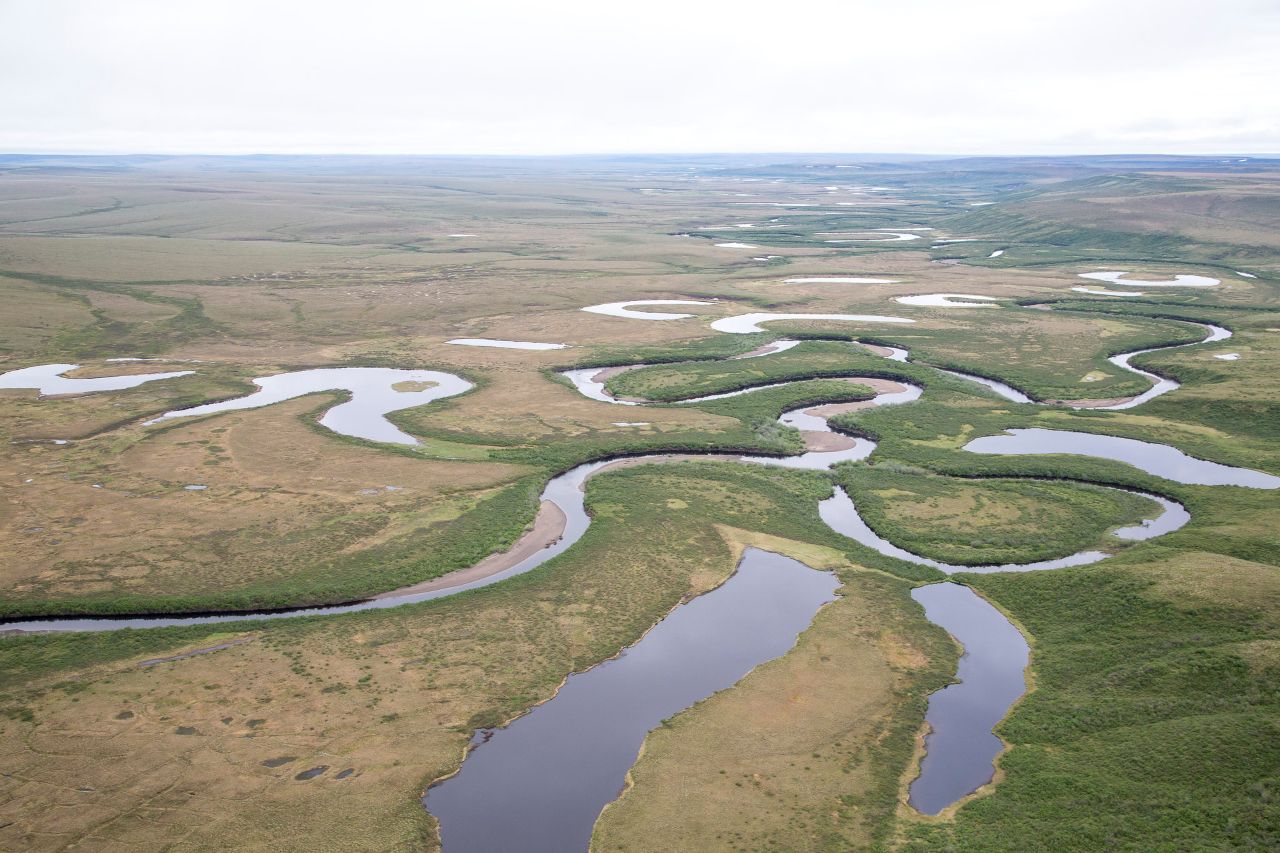
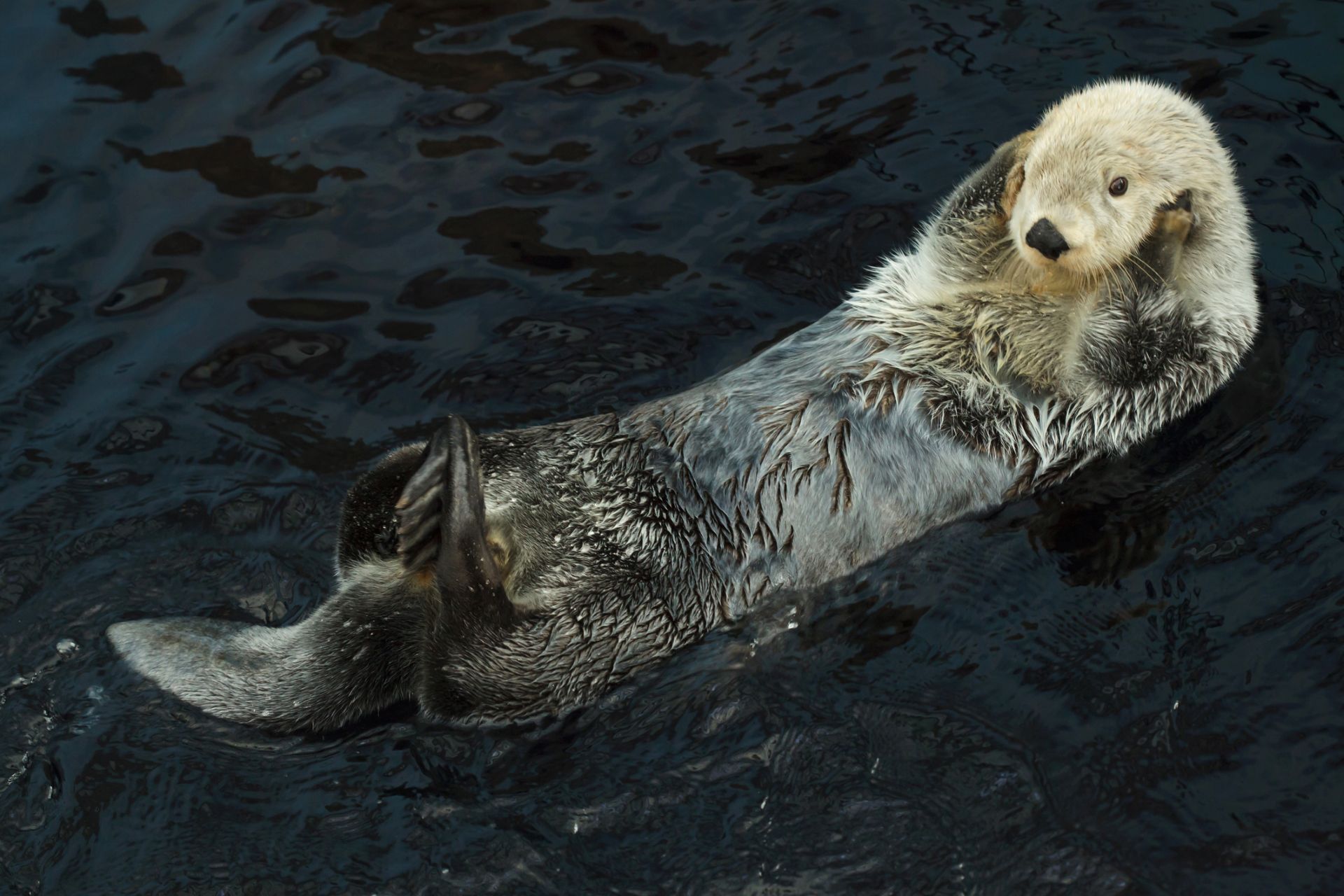
This proposal comes at a time when the Trump Administration is also aggressively pushing to open up oil and gas drilling in places where it hasn’t been permitted for decades, including waters along the California coast, and parts of Alaska, the Arctic, and eastern Gulf that have previously been protected. Defanging the Endangered Species Act could make it easier for fossil fuel extraction to proceed in these areas, where threatened and endangered species including southern sea otters and polar bears live.
Jewel Tomasula, National Policy Director for the Endangered Species Coalition, said the proposed changes would allow fossil fuel development to occur “without science-based, common-sense safeguards for wildlife” where threatened and endangered species are concerned.
“Combined with plans to open cherished habitats to drilling, sell off public lands, mass firing of federal agency wildlife experts, and significant budget cuts, these proposals will have an even more devastating impact than before,” said Tomasula.
The proposed changes include weighing the economic impacts of protecting a particular species — something the Endangered Species Act explicitly prohibits, according to the Center for Biological Diversity.
Stephanie Kurose, deputy director of government affairs at the Center for Biological Diversity, said in a statement that Trump’s plan “hacks apart the Endangered Species Act and creates a blueprint for the extinction of some of America’s most beloved wildlife.”
“Trump’s proposals are a death sentence for wolverines, monarch butterflies, Florida manatees and so many other animals and plants that desperately need our help,” Kurose said. “We assumed Trump would attack wildlife again, but this dumpster fire of a plan is beyond cruel.”
The proposal would also prohibit designating critical habitat for species threatened by climate change, gut nearly all protections for wildlife newly designated as threatened, and grant industrial polluters more power to override expert recommendations when it comes to establishing habitat protections.
The administration’s actions would strip away protections that have been in place for decades, and that have worked to prevent the extinction of more than 99 percent of the species that have been listed under the Endangered Species Act. The act has protected over 1,700 species since its passage 52 years ago.
The first Trump Administration launched a similar attack on the Endangered Species Act, inciting a long legal battle with environmental groups. In announcing the latest rollbacks, Secretary of the Interior Doug Burgum said the four proposed revisions to the Endangered Species Act end years of legal confusion and regulatory overreach.
“This administration is restoring the Endangered Species Act to its original intent, protecting species through clear, consistent and lawful standards that also respect the livelihoods of Americans who depend on our land and resources,” said Burgum.
Jane Davenport, a senior attorney with Defenders of Wildlife, said that under the aegis of an alleged “Energy Emergency” (which has no basis in reality) federal agencies are already ignoring and flouting Endangered Species Act protections. She said that while the proposed changes to the law could take a year or more to be implemented, under the banner of the “emergency,” the attitude is already, “permit first and consult later.”
Davenport said she is especially worried about the proposed changes to Section 7 regulations, which could narrow the scope of required expert consultations taken before determining whether an action is likely to jeopardize an endangered species or destroy its habitat. This change could speed up projects that could cause irreparable harm to fragile populations and push species closer to extinction.
Davenport said opening drilling in federal coastal waters, as the Trump Administration is proposing to do, will inevitably lead to spills, if not of the catastrophic kind akin to Deepwater Horizon then everyday chronic spills and pipeline ruptures. This in turn could harm threatened and endangered marine species, including southern sea otters and Humpback whales off the California Coast, Rice’s whales in the Gulf of Mexico, and polar bears in the Arctic. The Trump Administration has finalized a plan to open the coastal plain of Alaska's Arctic National Wildlife Refuge to oil and gas drilling as well as a rollback of a Biden-era rule that blocked drilling on 11 million acres of the National Petroleum Reserve.
The administration is also proposing to eliminate the Fish and Wildlife Service’s blanket 4(d) rule, which allows the agency to extend statutory protections against unauthorized take or trade to threatened species by default to help ensure they don’t become endangered. Davenport said the surprising thing about this new proposal is that the Administration intends to revisit the past species that have been protected under the blanket provision to determine if the protections are merited.
“Consider the southern sea otter,” Davenport said. “It’s a threatened species that receives protections. If the administration follows through on this retrospective review, the otter could lose some protections as the result of any narrowing.”
Prior to these latest rollbacks, the second Trump Administration has already found other ways of attacking the Endangered Species Act, especially when it comes to a pair of species whose habitat overlaps with the oil- and gas-rich Permian Basin in Texas and New Mexico.
In early May, Trump officials filed a motion in a Texas court arguing that the lesser prairie-chicken, a species of grouse whose habitat in the southern and central plains overlaps with lands sought for agricultural and energy development, was erroneously listed by the Biden Administration under the Endangered Species Act in 2022.
On April 1, Texas Congressman August Pfluger and Kansas Congressman Tracey Mann, both Republicans, sent a letter to Interior Secretary Doug Burgum urging him to reverse not only the listing of the lesser prairie-chicken but also the dunes sagebrush lizard, another Biden administration-listed species whose habitat overlaps with land desirable for fossil fuel development.
Also in April, the Fish and Wildlife Service and the National Marine Fisheries Service also proposed to rescind and weaken the definition of “harm” in the Endangered Species Act regulations. This change would sharply reduce protections under the 1973 law by prohibiting only actions that directly kill animals, not actions that indirectly kill them, like destroying habitat.