Taxpayer-subsidized carbon capture is driving a backlash in Louisiana, Texas and other states

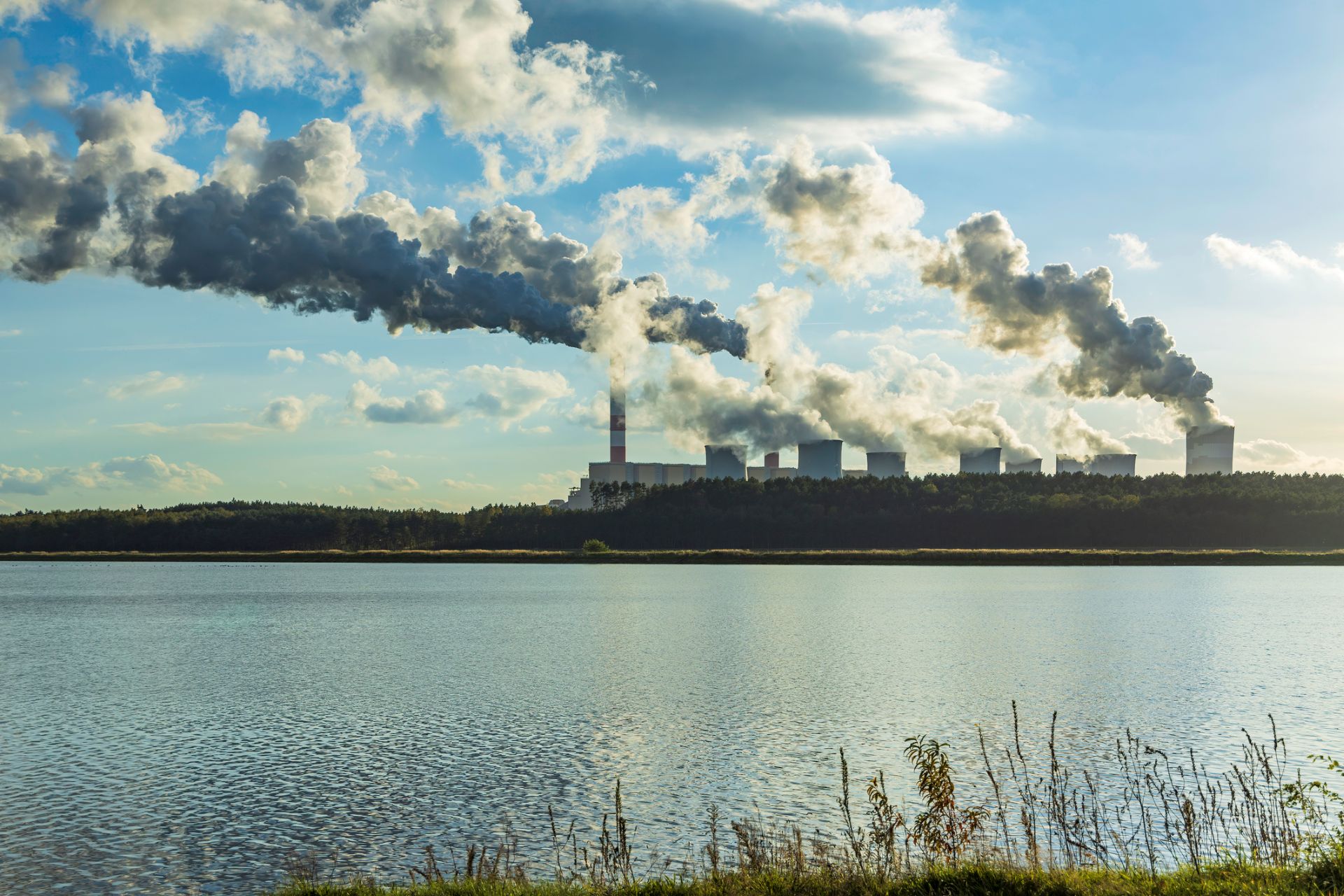
Driven by billions in taxpayer subsidies, companies are planning hundreds of projects across the U.S. intended to capture carbon dioxide emissions from industry and pump the pollution underground.
The wave of carbon capture, transportation, and storage projects is triggering backlash in the form of lawsuits, grassroots activism, and regulatory changes. States in the Gulf Coast and Midwest have had public debates and court battles over some of these projects.
Reacting to outcry against carbon pipeline projects from rural residents in Louisiana, Governor Jeff Landry, a Republican, imposed a moratorium on new applications for carbon capture projects in the state, angering business owners with billions of dollars at stake in the industry.
As of June, companies had proposed more than 270 carbon capture projects nationwide, according to Clean Air Task Force. Proponents of such projects assert that the projects will permanently store carbon dioxide (CO2) underground and prevent it from warming the climate.
However, carbon capture technology is largely untested and companies claim that huge infusions of taxpayer funding is necessary to support these projects. Yet federal subsidies for carbon capture have so far been used mostly by oil and gas companies to inject carbon dioxide into the ground to force out more petroleum products to burn – which contributes to climate change.
Louisiana has become ground zero for carbon capture projects because it is home to major petrochemical industries and has long-established carbon dioxide pipelines. The state has also felt a wave of opposition, including from rural, mainly conservative, majority-white communities. This has caused a rift among Louisiana Republican legislators, many of whom support the oil and gas industry that wants carbon capture subsidies.
As of November 2025, at least 65 carbon capture and storage projects have been proposed in Louisiana, according to a new Environmental Integrity Project fact sheet with data from public records and industry announcements.
These include 30 projects that propose to capture at least 33 million metric tons of carbon dioxide from industrial facilities or directly from the air; 35 projects to inject CO2 into underground reservoirs, and 12 proposed carbon pipelines.
The dozens of projects have led to complaints by residents and local officials on both sides of the political spectrum.
Last month, a group of central Louisiana residents and elected officials sued Governor Landry’s administration over the state’s eminent domain laws because of conflict over carbon pipelines. The group, Save My Louisiana, said in a petition filed in state court that some of the residents were threatened with eminent domain if they did not sign leases for CO2 pipelines or storage with Denbury, a CO2 transport and storage subsidiary of ExxonMobil.
In its filing, Save My Louisiana’s attorneys argued that the state’s laws give too much power to carbon capture companies to force landowners to sell portions of their property for carbon pipelines and storage projects.
“These are private companies for private gain, and we're saying that you're violating the Constitution," said retired Air Force Col. Mark Guillory, a plaintiff in the lawsuit, at a news conference, according to the Louisiana Advocate.
Mark Davis, director of Tulane University’s Center for Environmental Law, said the resistance to CO2 pipelines and storage projects from these residents show who is being affected by carbon pipelines and storage projects in rural areas.
“You can't really draw lines based on party membership or whether you're an environmentalist,” Davis said. “Do you really want your property diminished? Do you want your property value, your quality of life impacted?”
The lawsuit came even after the Louisiana legislature strengthened property owners’ rights when negotiating with CO2 transport and storage firms over the summer.
One concern of local residents is that carbon pipelines can burst or leak, releasing a gas that can asphyxiate people and make them sick – as happened in Satartia, Mississippi, in 2020.
In June, the Republican-dominated Louisiana legislature passed a bill that would limit the use of eminent domain to pipelines classified as “common carriers,” which transport CO2 for multiple companies. The legislation also raised the standard for how much land a CO2 storage company needs to control through voluntary agreements before forcing other landowners to participate. The bill raised this threshold from 75 percent to 85 percent.
In October, the Louisiana government laid out a list of regulations that companies must adhere to before the department issues a permit for carbon capture projects.
Governor Landry put a hold on new applications for carbon capture projects. However, that moratorium did not block the 31 carbon disposal projects whose developers had already submitted applications. Many residents opposed to carbon capture projects said Landry’s moratorium was a stop-gap measure and not a real attempt to address concerns about the industry.
“At first glance, this order might seem like a proactive measure in response to public concerns about carbon capture and sequestration projects,” said Roishetta Ozane, founder of environmental justice group the Vessel Project of Louisiana. “However, it is just a bunch of words and more greenwashing that fails to address the legitimate fears of Louisianans regarding environmental safety and property rights.”
Carbon capture projects from industrial sites have the potential to both reduce and increase local air pollution, said Sheila Olmstead, a Cornell University environmental policy professor. Most projects use a treatment system that scrubs the CO2 from industrial waste gases. This process removes other forms of harmful air pollution but also generates its own emissions.
“At the capture site, there are reasons for communities to be happy about it, and there are reasons to be suspicious about it,” Olmstead said. “You could find empirical justification for both of those depending on the characteristics of the site.”
The carbon capture debate has also affected other states, including Iowa, where a CO2 pipeline planned by Summit Carbon Solutions has encountered fierce backlash. Summit applied for a permit from the Iowa Utilities Commission in 2022 and received it in June 2024. A coalition of farmers, landowners, and environmental groups, including the Sierra Club Iowa Chapter, then sued to overturn the permit.
However, South Dakota has twice denied Summit permits for a portion of the same pipeline. The South Dakota legislature also passed a law banning the use of eminent domain for CO2 capture pipelines. A condition in the Iowa permit requires approvals from North and South Dakota before construction can begin in Iowa. Summit has recently applied to the Iowa Utilities Commission to try to remove that condition.
Billions of dollars in taxpayer subsidies are behind companies’ push for CO2 capture and storage projects. Former President Joe Biden’s Inflation Reduction Act increased existing subsidies (in an IRS program known as “45Q”) to $85 for each metric ton of CO2 injected underground for permanent storage and $60 per metric ton of the gas injected for the purpose of extracting oil. President Donald Trump’s “Big, Beautiful” bill that became law in July increased the oil extraction subsidy to $85, matching the subsidy for permanent storage.
Federal subsidies for “clean energy” hydrogen fuel projects often propose to use carbon capture to make themselves look environmentally-friendly, even though they produce the fuel with natural gas. About a third of the industrial carbon capture projects in Louisiana would serve ammonia and hydrogen production.
Six carbon capture projects have been announced at Louisiana terminals that would ship liquefied natural gas (LNG) abroad. Ten projects will capture carbon dioxide emissions from natural gas processing plants or renewable diesel or gasoline refineries.
Texas is also becoming a carbon capture hotspot, with at least 48 carbon capture and storage projects proposed in the state, according to a new Environmental Integrity Project fact sheet based on public records and company announcements.
These include 25 projects that propose to capture at least 40 million metric tons of carbon dioxide emissions from industrial sites or from the air, 30 facilities that propose to inject at least 130 million metric tons of captured CO2 in underground reservoirs, and four proposed carbon pipelines.
Texas has also experienced disputes over how much control landowners have over carbon pipelines proposed on their land. In May, the state’s Supreme Court ruled that the rights beneath underground carbon storage areas belong to whoever owns the property on the surface rather than the owner of underground mineral rights.
The EPA on Nov. 12 also gave Texas primary authority in regulating carbon disposal wells, allowing Texas to join Arizona, West Virginia, Louisiana, Wyoming, and North Dakota in running their own carbon programs.
Environmental groups had opposed granting Texas this authority. They argued that the state agency that regulates the oil and gas industry (called the Railroad Commission of Texas or RRC), already has a poor track record of dealing with abandoned oil and gas wells and regulating wastewater disposal wells.
“Under the RRC’s watch, we have seen a rise in geyser-like well blowouts, sinkholes, earthquakes, and leaks from unplugged wells caused by facilities they permit,” said Virginia Palacios, executive director of watchdog group Commission Shift. “If the RRC is the agency best positioned to take on this responsibility, then we’re all in trouble.”