Trump Administration’s embrace of biofuels likely to drive up fuel costs and increase pollution

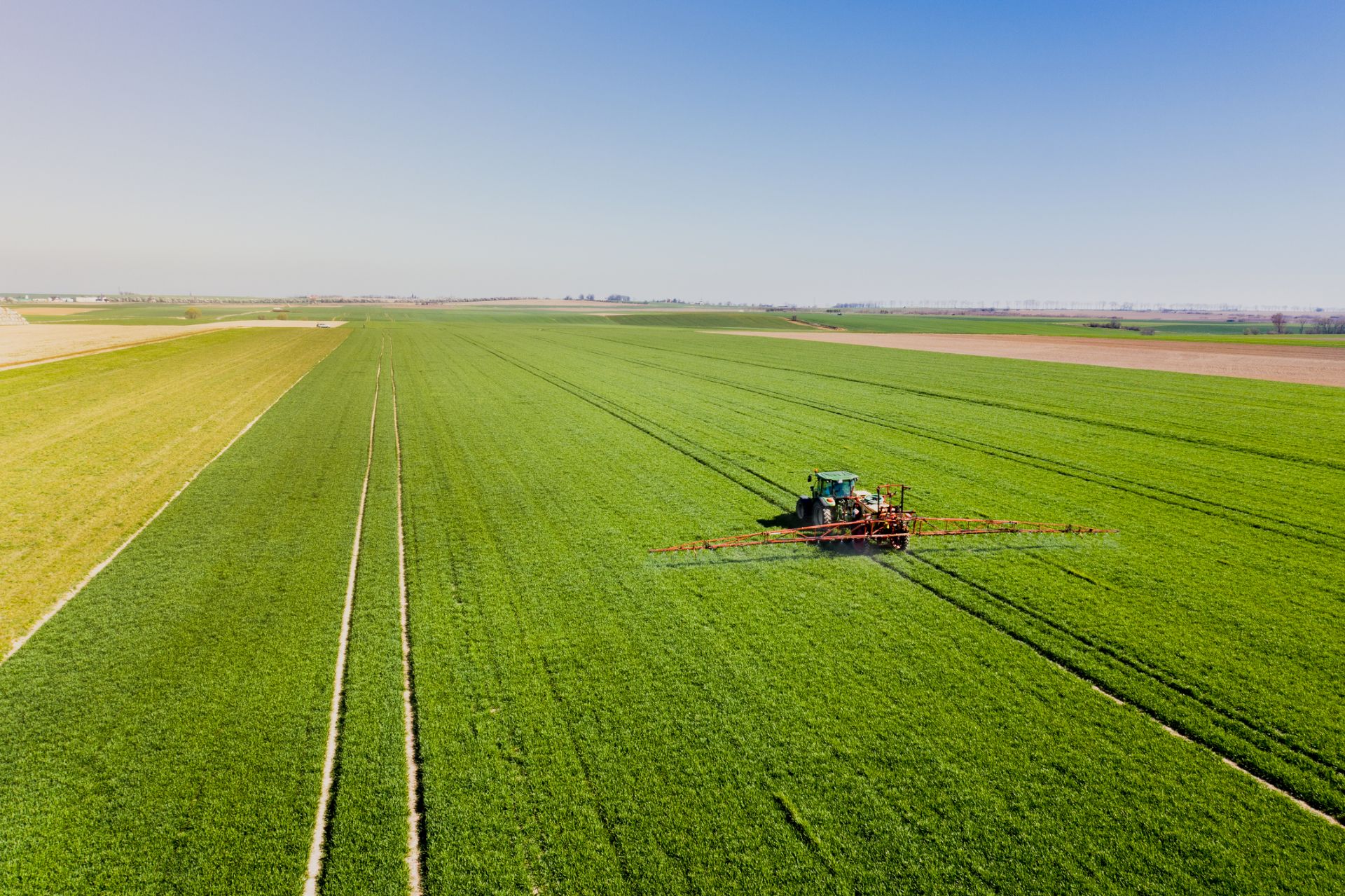
President Donald Trump’s best-known energy slogan is “drill, baby, drill,” but it could also be “plow, baby, plow” because of his recent efforts to boost federal support for plant-based biofuels as a favor to voters in farm states.
However, the political maneuver could result in both more pollution from biofuel factories and higher prices in supermarkets, as food consumers increasingly compete with biodiesel manufacturers.
In March, the Trump Administration updated the U.S.’s Renewable Fuel Standard to require more plant-based fuel to be used in American cars and trucks than ever before, drawing praise from soybean farmers and agribusiness groups. Fossil fuel refiners and environmental advocates have criticized the standard, though not for the same reasons.
The new standard requires refiners and fuel importers to blend in record-high amounts of plant-based diesel – 60 percent more than last year. The change is the largest annual increase in the program’s history, according to commodities analysis group Argus. The administration also maintained an existing mandate to blend 15 billion gallons per year of corn ethanol into motor gasoline.
The standard “creates a larger, more stable, and more reliable domestic market for U.S. crops, strengthening farm income and rural economies,” EPA Administrator Lee Zeldin said in a March statement.
Agricultural and renewable fuel trade groups praised the higher mandate, which helps shore up markets for farmers hit hard by Trump’s tariffs and fertilizer cost increases due to his war with Iran. The new standard “will increase soybean oil use, boost U.S. soybean processing, and grow domestic biofuel markets for our crop,” said Scott Metzger, president of the American Soybean Association, in a March statement.
However, the renewable fuel standard has faced criticism, over its 20-year history, for using the same crops to produce both food and fuel, which drives up food prices. Many researchers and environmental advocates argue that biofuels have proven as bad or worse for the climate than fossil fuels, increasing fuel, fertilizer, and pesticide use and leading to the conversion of more land from wildlife habitat to industrial farmland.
“The reality now is that we’re dedicating millions of acres of prime farmland to grow soybeans that are converted into what’s called renewable diesel at oil refineries,” said Dan Lashof, senior fellow at World Resources Institute. “That’s what will increase under this standard.”
Biofuel production facilities release vast amounts of climate-warming greenhouse gases and “criteria pollutants” that harm peoples’ health. A June 2024 report by the Environmental Integrity Project found that 191 ethanol plants, 71 biodiesel plants, and 13 “renewable diesel” plants active in the U.S. at the time released almost as much air pollution as America’s fleet of oil refineries. In 2022, biofuel plants reported releasing 12.9 million pounds of hazardous air pollutants, while oil refineries reported releasing 14.5 million pounds. Hazardous air pollutants can cause cancer or other serious health impacts if inhaled, and many are highly toxic in small doses.
The increased fuel mandate will also raise diesel fuel costs, hurting farmers as well as truckers and consumers who use products shipped using diesel as transportation fuel. The EPA’s own analysis states that the higher mandate will raise the average price of diesel by 30 cents per gallon in 2026 and 36 cents per gallon in 2027.
Whether biofuel producers can even keep up with the higher standard is also uncertain. Reuters reported last week that the EPA assumes producers can operate their plants at 90 percent capacity this year. But in May, biodiesel plants operated at just under 77 percent, and renewable diesel plants operated at 78 percent, Zander Capozzola, principal consultant at Argus, told the outlet.
Raising the biofuel mandates have pitted the interests of farmers and biofuel manufacturers against fossil fuel refiners, with the latter recently suing the Trump Administration over the issue. In a May 29 lawsuit filed in D.C. Circuit Court, American Fuel & Petrochemical Manufacturers challenged the new standard. The trade group’s CEO said the cost to comply with the standard “has reached an all-time high,” according to trade publication Oils & Fats International.
The standard allows fuel producers to comply with the rule either by blending in targeted amounts of renewable fuel or by buying credits, known as renewable identification numbers. The price of these credits for biomass-based diesel and ethanol have doubled since January, according to the U.S. Energy Information Administration.
The EPA’s expanded mandate is only the latest example of Trump Administration policies meant to boost biofuels. As part of Trump’s “Big, Beautiful” bill passed last year, Congress extended the expiration date of a biofuel tax credit called 45Z from 2027 to 2029, while making it easier for fuel producers to qualify.
The White House is also reportedly pushing Congress to adopt year-round sales of gasoline mixed with 15 percent ethanol, an increase from the 10 percent ethanol that can be sold all year in all states today. The higher-ethanol blend is not sold in summer because burning it during sunnier months forms more ozone, a key component of smog, which irritates and damages the lungs.
Corn ethanol is also worse for the climate than gasoline because it boosts the intensity and extent of industrial-scale corn farming, according to a 2022 commentary in a scientific journal by Jason Hill, a professor who studies plant-based fuels at the University of Minnesota.
“The renewable fuel standard has taken us in the wrong direction with respect to our environmental goals,” Hill told Oil & Gas Watch News. About a third of the corn produced in the U.S. is used to make fuel that only offsets a small fraction of gasoline and diesel use, Hill said.
The Trump Administration’s recent embrace of biofuels follows a pattern dating back nearly 20 years to the George W. Bush Administration. Created in 2007 via the Energy Independence and Security Act, the renewable fuel standard has increased under each successive presidential administration.
“It comes at a tremendous environmental cost for air quality, climate change, water quality, erosion biodiversity, and many other things that we care about,” Hill said.
Researchers have demonstrated promising results from making biofuels from all kinds of agricultural waste products or non-food crops – everything from corn stubble to switchgrass, algae, beef tallow, hay, poplar, and more. Processing these types of materials is often more expensive, and using some alternative crops like this may not have any climate benefit, said Lashof, with the World Resources Institute.
“People are continuing to work on it, but it just hasn’t got there,” Lashof said