Controversial West Virginia chemical plastics ‘recycling’ plant gets permit over local objections

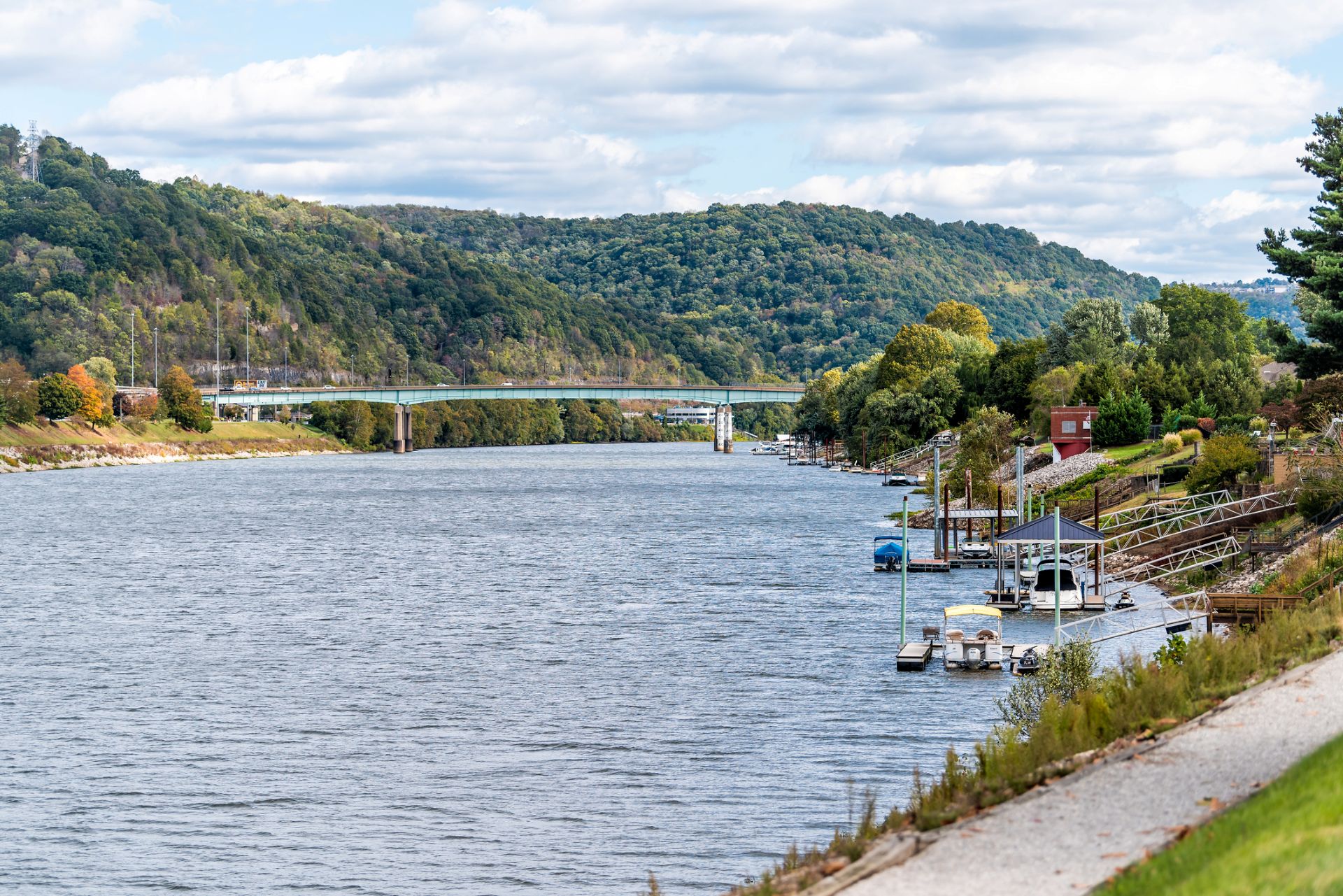
The West Virginia Department of Environmental Protection recently issued air pollution control permits for a beleaguered “chemical recycling” plant to be located in the western part of the state in Kanawha County.
The key construction permit allows Clean-Seas, a subsidiary of California-based Clean Vision Corp., to continue building the 60,000-square-foot facility, its first such plant in the U.S. But local residents fiercely oppose the project, accusing the company of misleading permitting procedures and unstable finances.
Chemical recycling plants like the proposed Clean-Seas facility use a high-heat, energy-intensive process known as pyrolysis to mix plastics with chemicals and produce a product similar to crude oil – but more toxic and of lower quality – that can be burned or used in manufacturing. Sometimes referred to as “advanced recycling” plants, these facilities release large amounts of air pollution and differ from conventional recycling, which mechanically breaks down waste plastics.
The plant, located in a converted lumber yard in Belle, West Virginia, would have a fenceline located within 500 feet of the local high school. According to the company, the facility will divert plastic from landfills and incinerators and generate more than 40 new jobs. The facility received its first truckload of plastic waste in early August and has benefitted from a $15 million West Virginia Economic Development Authority loan. “The location of the facility with access to truck, rail, and barge transportation, makes it an ideal hub for receiving and processing waste plastic from the mid-Atlantic region,” the company said on its website.
A July report from the Ohio River Valley Institute questions West Virginia’s decision to provide loans given the company’s limited track record. Since 2020, Clean Vision has announced at least 14 separate projects in eight different countries but has so far initiated pyrolysis operations at only two sites. The report also found that the company’s accumulated deficit reached over $58 million by the end of 2025, a 77 percent increase from four years prior.
Tom Torres, the Ohio River Valley Institute’s chief of staff, said the state’s latest permit approval represents a rollback of critical pollution safeguards put in place to keep families and children safe from the most damaging impacts of waste incineration, which is essentially what happens in “chemical recycling” plants.
“When permitting the Clean-Seas facility, state regulators treated its operations as a kind of manufacturing,” said Torres. This was somewhat misleading, he suggested, because ‘chemical recycling’ is more like a form of waste incineration. “This designation means that the facility, which is near a residential area as well as two schools, is not required to meet longstanding requirements designed to address the most damaging impacts of waste incineration,” Torres said.
In response to lobbying by the industry, 24 states, including West Virginia, have passed legislation reclassifying pyrolysis not as waste incineration but as a kind of manufacturing, which requires less strict environmental standards.
The Trump Administration has cited these state reclassifications as part of its rationale for proposing to strip pyrolysis of federal categorization as waste incineration. This move would exempt these “advanced recycling” plants from being subjected to Clean Air Act limits for cancer-causing air pollution, including neurotoxins like lead and mercury, and other conventional air pollutants including nitrogen oxides, sulfur dioxide, and particulate matter. The current federal regulations, which define pyrolysis units as incinerators, have been in place for more than 30 years.
Lani Wean, West Virginia field organizer for Moms Clean Air Force, said removing pyrolysis incinerators from Section 129 of the Clean Air Act would give the plastic industry a free pass to pollute without repercussions.
“This proposal by the Trump-Zeldin EPA offers exactly what they want, a cheap way to make plastic waste vanish from the public eye only to be spewed into our air as toxic pollution and breathed into our lungs,” said Wean. “Families in my area already face generations of harm from petrochemical pollution, and this proposal would allow these combustors to encase communities like mine in dangerous amounts of dioxins and other pollutants.”

Wean said Clean Seas has been shrouding the details of its project in secrecy for months and has given little to no response to requests for engagement and communication with the community.
Across the U.S., nine chemical recycling plants have been built or expanded since 2012, while another 40 are currently proposed, permitted, or under construction, according to public records and data compiled in the Oil & Gas Watch database. Altogether, these facilities have the potential to emit 2.3 million tons of greenhouse gases per year, roughly equating to 480,000 gasoline-powered passenger vehicles driven for one year, on top of all the toxic air pollution. The West Virginia Clean-Seas facility could emit 3,500 tons per year of greenhouse gases, 12 tons per year of health-damaging “criteria” air pollutants, and 1,680 pounds per year of hazardous air pollutants, according to permit documents.
Many proposed chemical recycling plants face significant community pushback. In 2024, residents of Point Township, Pennsylvania, successfully opposed plans to build a chemical recycling plant. Encina, the company developing the project, announced that it was canceling its plan after a local council voted to deny its request to withdraw 2.9 million gallons of water a day from the Susquehanna River and discharge contaminated wastewater back into the Chesapeake Bay’s biggest tributary.
The Clean-Seas permit approval in West Virginia followed a letter from the two current members of the Kanawha County Commission requesting that the state suspend approval of the draft permit until residents’ health and safety concerns were addressed. They also asked that the company or state pay for fenceline air quality monitoring.
Eric Caruthers is part of a group of local community members fighting the Clean-Seas plant. Caruthers said state agencies should invest in safe green jobs that sustain life and livelihood rather than give away taxpayer-guaranteed loans to financially risky companies.
In the broader sense, Caruthers said he believes locals aren’t convinced another wave of petrochemical development will be good for a region currently attempting to rebuild and reinvent itself as a tourism and outdoor recreation hub after suffering for decades from the pollution of dirty industries. The region was once known as West Virginia’s “Chemical Valley,” home to major chemical manufacturers like DuPont and Chemours. They left behind a sordid history of pollution and dwindling economic opportunity in the wake of their departure.
Caruthers noted that the County Commission proudly spent upwards of $150,000 in tax dollars developing a gateway to an outdoor off-road recreation resort for all-terrain vehicles called the Appalachian Outlaw Trail. The entrance to the 25,000-acre adventure tourism destination is right across the highway from the plastics incinerator.
“Subjecting visitors to odors of burning plastic and toxic emissions goes against our county’s economic redevelopment incentive of eco-tourism,” Caruthers said.